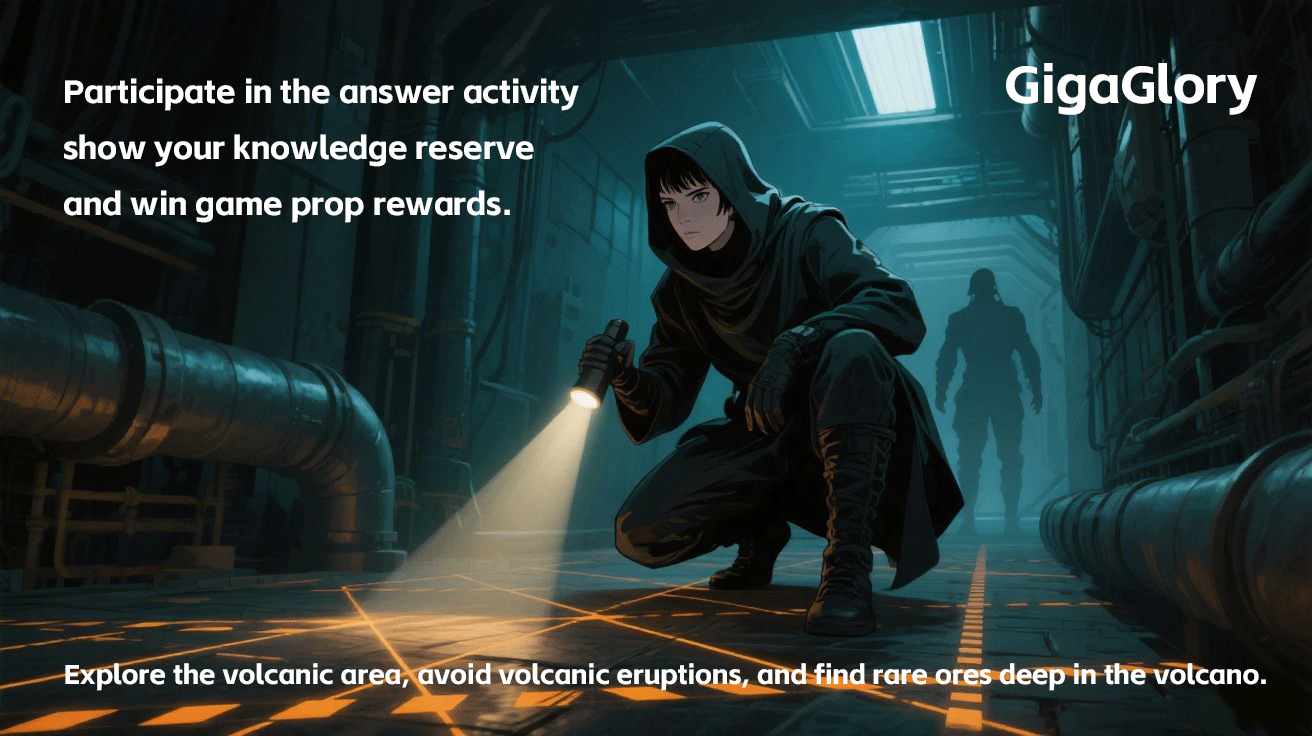
Unlocking Learning: How Educational Games Transform the Way We Learn
The Evolution of Learning Through Games
In recent years, we’ve witnessed a fascinating shift in how educational institutions utilize educational games to foster learning. Gone are the days where classrooms were confined to textbooks and lectures, as new technologies and ideas come into play. Whether it’s through engaging narratives or interactive gameplay, it’s becoming increasingly clear that games can revolutionize traditional education.
What Makes a Game Educational?
To fully appreciate the role of educational games, we must first understand what constitutes an educational game. These are not just simple trivia or quiz games. Educational games promote critical thinking, problem-solving, collaboration, and creativity. They transform mundane topics into engaging experiences where learners can explore, experiment, and enjoy the process. But not all games are created equal; the best games combine both gameplay and story.
Benefits of Educational Games in Learning
- Enhancement of Engagement: Students are naturally drawn to the immersive and interactive environments that games provide.
- Encouragement of Collaboration: Many educational games promote teamwork, fostering social skills.
- Promotion of Critical Thinking: Players must strategize and think ahead, which translates to real-world problem-solving.
- Flexibility of Learning: Students can learn at their own pace, vastly improving comprehension.
Types of Educational Games
Various types of educational games exist to cater to different learning styles. Here’s a quick look:
| Type | Description | Examples |
|---|---|---|
| Simulation Games | Allow players to explore realistic scenarios. | SimCity, Kerbal Space Program |
| Puzzle Games | Enhance critical thinking and problem-solving skills. | Sudoku, Portal |
| Role-Playing Games (RPGs) | Combine storytelling with gameplay, fostering personal growth. | The Legend of Zelda, Final Fantasy |
| Educational Mobile Games | Perfect for learning on-the-go. | Duolingo, Tinycards |
Crossplay Survival Games as Learning Tools
Among various genres, crossplay survival games have emerged as unique educational tools. These games can teach survival skills, team collaboration, and resource management in ways that feel thrilling yet informative.
Engaging Storylines: The Heart of the Best Games
The magic of a good game often lies in its story. The best educational games maintain captivating narratives that further enhance the learning experience. What makes players invested in their success can become an extended metaphor for real-world challenges.
How Teachers are Utilizing Educational Games
Let’s take a closer look at how educators are integrating games into their curricula:
- In math classes, games like Prodigy are utilized to reinforce arithmetic skills through fun quests.
- Language arts classes adopt storytelling games such as Wordscapes to enhance vocabulary and comprehension.
- History lessons come alive with role-playing games that allow students to experience historical events.
The Role of Technology in Educational Games
Technology is a major driving force in the growth of educational gaming. With advancements in virtual reality (VR) and augmented reality (AR), immersive games can replicate real-world scenarios, enabling masterful learning experiences. Imagine hiking through ancient Rome or solving math problems in a futuristic city!
Potential Challenges and Solutions
Though the benefits are evident, there are challenges to integrating games into learning. Teachers need proper training, schools require adequate resources, and some parents may remain skeptical. A proactive approach is essential:
- Provide professional development for teachers on the effective use of games.
- Secure funding to develop tech infrastructure in schools.
- Engage parents through information sessions to build trust.
Student Perspectives on Educational Games
So what do students think about using games in their learning process? The majority find educational games to be far more enjoyable than traditional methods. Here are some reasons why:
- They make learning fun and not seem like work.
- Students feel more involved and accountable for their learning.
- They appreciate the flexibility games provide.
Case Studies: Successful Educational Games
Some games have dazzled educators with their success:
- Minecraft: Education Edition - engages students in collaborative building projects.
- Kahoot! - transforms quizzes into interactive competitions.
- Roblox - allows learners to create and code, enhancing logical thinking.
Future Trends in Educational Gaming
The future looks bright for educational gaming. With the game development industry booming, we can expect more innovative products that not only entertain but also educate. Trends to watch include:
- Increased focus on adaptability and personalized learning experiences.
- More incorporation of AR and VR technologies.
- Greater emphasis on social learning and community-building.
Final Thoughts on Educational Games
As we reflect on how educational games are transforming learning, it's impossible to ignore their profound impact. They offer new avenues for engagement, collaboration, and skill development while enriching our educational systems. The fusion of gameplay and storytelling can foster powerful educational experiences that resonate well beyond traditional patches of education. After all, learning should never feel like a chore but an adventure waiting to unfold!
Conclusion
In conclusion, as we delve deeper into the realms of educational games, it’s evident that they can unlock a treasure trove of learning opportunities. With a careful blend of entertainment and education, these games are shaping the future of learning. So, why not embrace this exciting educational revolution?